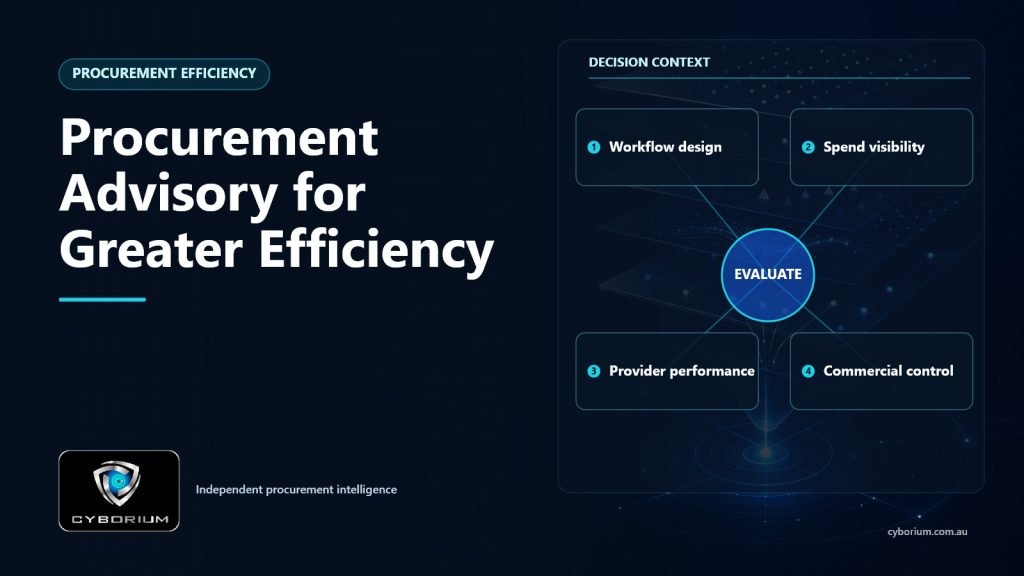
Procurement advisory services can seriously boost how efficiently your organisation buys things. Think of them as expert guides, helping you work through the often-complex world of sourcing, negotiating, and managing suppliers. They can help you save money, reduce risk, and make sure you’re getting the best possible value from your spending.
Procurement advisory services are essentially external experts who come in to help businesses improve their buying processes. It’s not about just telling you what to do; it’s more about working with you to figure out the best way forward. They bring specialist knowledge and experience that your internal team might not have readily available.
Identifying Your Procurement Pain Points
Before any advice comes your way, the first step is for advisors to get a real handle on where things aren’t working as well as they could be. This involves digging into your current processes, looking at your spending patterns, and talking to the people involved, from junior decision owners to senior management.
The Interview Process
Advisors will typically conduct interviews with key stakeholders across different departments. This isn’t a tick-box exercise; it’s about understanding the day-to-day realities, the frustrations, and the opportunities. They want to hear about bottlenecks, missed deadlines, and areas where costs seem to keep creeping up.
Data Analysis
Your spending data is a goldmine. Advisors will dive deep into purchase orders, invoices, and supplier contracts to identify trends, outliers, and potential areas for savings or better terms. This quantitative analysis underpins any recommendations.
Process Mapping
Visualising your current procurement workflow is key. Advisors create detailed maps of how things are done now, highlighting every step from requisition to payment. This often reveals inefficiencies that were previously invisible.
The Range of Advisory Services
The “advisory” umbrella covers quite a spectrum. Some firms focus purely on strategy, while others offer hands-on implementation support. It’s important to know what you need before you engage.
Strategic Sourcing and Category Management
This is about more than just finding a supplier. It’s a structured approach to managing specific categories of spend (like IT, travel, or raw materials) to achieve the best long-term outcomes. Advisors help you understand your requirements, map the market, and develop clear sourcing strategies.
Supplier Relationship Management (SRM)
Once you’ve found your suppliers, how do you keep them working effectively and collaboratively? SRM is about building strong, mutually beneficial relationships that drive innovation and performance. Advisors can help you establish frameworks for communication, performance monitoring, and risk mitigation.
Technology Implementation and Optimisation
Procurement technology can make a big difference, but only if it’s implemented correctly and used to its full potential. Advisors can help you select the right e-procurement systems, P2P (procure-to-pay) solutions, or spend analysis tools, and then guide their integration and ongoing optimisation.
Risk Management and Compliance
Ensuring you’re compliant with regulations and managing supplier risks (financial, operational, ethical) is a huge part of procurement. Advisors can help you develop sound risk assessment frameworks, create due diligence processes, and implement compliance programmes.
How Advisory Services Drive Efficiency: The nitty-gritty
It’s one thing to know what advisory services do, but it’s another to understand how they actually make your procurement more efficient. The magic happens in the application of their expertise to your specific challenges.
Simplifying Processes and Workflows
A lot of procurement inefficiency stems from clunky, outdated, or unnecessarily complicated processes. Advisors are adept at spotting these and suggesting sensible, practical solutions.
Eliminating Bottlenecks
Think of an approval process that takes weeks, or a requisition system that’s difficult to navigate. Advisors work to identify these choke points and suggest ways to simplify them, speed them up, or even automate them. This might involve redesigning approval hierarchies or providing better digital tools.
Standardisation and Best Practices
Many businesses operate with inconsistent approaches across different departments or teams. Advisors introduce standardised processes, templates, and best practices, which saves time and gives greater consistency and predictability in outcomes. This means less time spent reinventing the wheel.
Automation Opportunities
From purchase order creation to invoice matching, there are often numerous manual tasks in procurement that can be automated. Advisors can identify these, recommend the right technology, and help you implement it, freeing up your team for more strategic work.
Enhancing Spend Visibility and Control
You can’t manage what you can’t see. A frequent issue procurement advisors uncover is a lack of clear visibility into spending. This makes good decision-making incredibly difficult.
Spend Analysis
This is fundamental. Advisors will analyse your expenditure in detail across all categories and suppliers. Beyond how much you spend, it shows where, why, and with whom. This insight is critical for identifying savings opportunities and rogue spending.
Budget Management
With improved visibility comes better budget management. Advisors can help you set realistic budgets based on historical data and market intelligence, and then put in place mechanisms to track spending against those budgets. This proactive approach helps prevent overspends before they occur.
Contract Compliance Monitoring
Once contracts are in place, it’s important to check that both your organisation and your suppliers are adhering to the agreed terms. Advisors can set up systems to monitor contract compliance, identify any deviations, and flag potential issues before they escalate into disputes or financial losses.
Optimising Supplier Performance and Relationships
Your suppliers are extensions of your own business. Working with them effectively is key to overall efficiency.
Performance Measurement Frameworks
Setting clear Key Performance Indicators (KPIs) for suppliers is essential. Advisors help define relevant KPIs for different categories and suppliers, and then set up reliable systems for tracking and reporting on performance. This allows for objective evaluation and drives continuous improvement.
Negotiation Strategy Development
Good negotiation looks past the lowest price to the best overall value, considering factors like quality, delivery, risk, and innovation. Advisors bring expertise in developing negotiation strategies that align with your business objectives. This can lead to more favourable terms and stronger agreements.
Collaborative Problem-Solving
When issues arise with suppliers, a collaborative approach is often more effective than an adversarial one. Advisors can help build a culture of partnership, facilitating constructive dialogue and joint problem-solving to address challenges and find mutually beneficial solutions.
Implementing a Procurement Advisory Project: What to Expect

Embarking on a project with procurement advisors requires careful planning and collaboration from your side too. It’s a partnership rather than a delegation.
Defining Project Scope and Objectives
Before you even talk to a consultant, figure out precisely what you want to achieve. Vague goals lead to vague outcomes.
Setting SMART Goals
Your objectives should be Specific, Measurable, Achievable, Relevant, and Time-bound (SMART). For example, instead of “improve supplier negotiations,” a SMART goal might be “reduce the average negotiation cycle time for IT hardware by 20% within six months.”
Identifying Key Deliverables
What tangible outputs do you expect from the advisors? Is it a new sourcing strategy for a specific category, a revamped P2P process, or a supplier performance dashboard? Clearly defining these ensures you’re both on the same page.
Selecting the Right Advisory Partner
Not all advisors are created equal. Choosing the right firm for your specific needs is critical.
Experience and Specialisation
Look for firms with a proven track record in your industry or with the specific challenges you’re facing. Do they have expertise in the categories you spend the most on? Do they understand the regulations you operate under?
Cultural Fit and Communication Style
You’ll be working closely with these individuals. A good cultural fit, where their communication style complements your team’s, can make a huge difference to the effectiveness of the engagement. Are they too aggressive, too hands-off, or just right?
References and Case Studies
Don’t be afraid to ask for references from their previous clients, especially those with similar business needs. Reviewing case studies can also give you a good sense of their approach and the results they’ve achieved.
The Engagement Model
How will the advisors work with you? There are various models, and understanding them helps manage expectations.
Project-Based Engagements
This is common, where advisors are brought in for a specific project with a defined start and end date, focusing on achieving particular outcomes.
Retained Advisory Services
Some businesses opt for ongoing advisory support, paying a retainer for access to expertise as and when needed. This can be useful for continuous improvement.
Blended Models
Often, a combination works best, a project to establish a new framework, followed by retained support to embed and refine it.
Measuring the Impact: Proving the Value of Advisory Services

The real test of any advisory engagement is the measurable improvement it brings. Theory matters less than tangible results.
Quantifiable Savings
This is often the most obvious metric. Advisors should be able to demonstrate a clear return on investment through cost reductions.
Direct Cost Savings
This could be through better negotiation outcomes, identifying opportunities to consolidate spend, or finding more cost-effective suppliers. Advisors should be able to quantify these savings clearly.
Indirect Cost Savings
These are harder to measure but just as important. Think about time saved by your internal team due to simpler processes, reduced errors, or fewer disputes. These translate into efficiency gains and can be estimated.
Total Cost of Ownership (TCO) Reduction
Advisors often focus on looking beyond the initial purchase price to consider the long-term costs associated with a product or service, including maintenance, support, and disposal. Reducing TCO represents significant efficiency.
Improved Efficiency Metrics
Beyond just cost, there are other key performance indicators that procurement advisory services can impact positively.
Cycle Time Reduction
How long does it take to go from a requisition being raised to a purchase order being issued and delivered? Advisors can help significantly reduce these procurement cycle times.
Maverick Spend Reduction
This refers to spending that occurs outside of approved channels and contracts. Advisors help establish controls and processes that bring this spending back into the fold, improving compliance and control.
Purchase Order (PO) Automation Rate
An increasing PO automation rate signifies efficiency. If your systems are getting smarter and fewer manual steps are needed, that’s a win.
Enhanced Risk Mitigation and Compliance
While not always directly ‘saving money’, reducing risk is a massive efficiency gain in the long run.
Supplier Risk Score Improvement
Advisors can help implement frameworks for assessing and monitoring supplier risk (financial, operational, reputational, ethical). Seeing these risk scores improve across your supplier base indicates a more resilient supply chain.
Compliance Breach Reduction
A reduction in the number of compliance breaches related to procurement processes (e.g., contract terms being violated, regulatory issues) is a clear indicator of improved efficiency and control.
Audit Readiness
Being consistently prepared for internal or external audits is a sign of efficient and well-documented processes. Advisors help ensure your procurement function is always audit-ready.
Sustaining Efficiency: Embedding Change Long-Term
| Metrics | Data |
|---|---|
| Number of clients served | 25 |
| Success rate of cost savings | 80% |
| Average time to complete a procurement project | 6 months |
| Number of procurement strategies developed | 15 |
The work doesn’t stop when the advisors leave. The real success lies in making the improvements stick.
Knowledge Transfer and Training
A good advisory engagement goes beyond just delivering a report. It involves transferring knowledge and skills to your internal team.
Upskilling Your Procurement Team
Advisors should work with your team as well as for them. This might involve training sessions on new negotiation techniques, how to use new software, or how to conduct supplier performance reviews.
Documentation and Playbooks
Clear, accessible documentation of new processes, policies, and best practices is essential. This acts as a constant reference point for your team and ensures knowledge isn’t lost.
Continuous Improvement Culture
Procurement efficiency isn’t a one-off project; it’s an ongoing journey. A culture of continuous improvement is key.
Regular Performance Reviews
Implement regular reviews of your procurement performance against the established KPIs. This keeps the focus on efficiency and identifies areas where further optimisation might be needed.
Feedback Loops
Establish mechanisms for gathering feedback from internal stakeholders and suppliers about the procurement processes. This feedback is invaluable for identifying ongoing issues or opportunities.
Staying Abreast of Market Changes
Procurement is constantly evolving with new technologies, regulations, and market dynamics. Advisors can help you set up processes to stay informed and adapt accordingly.
Technology Integration and Evolution
Technology is a powerful enabler of procurement efficiency, but it needs ongoing attention.
Optimising Existing Systems
Even after initial implementation, systems can be further optimised. Advisors can help you identify ways to use your existing procurement technology more effectively.
Evaluating New Technologies
As your business grows and the market changes, new technologies will emerge. Setting up a process for evaluating and adopting relevant new tools can help maintain and enhance efficiency.
Change Management and Stakeholder Buy-in
Implementing new procurement processes or technologies often requires significant change. Managing this well matters for sustained success.
Communicating Benefits
Clearly communicate the benefits of the changes to all stakeholders. When people understand why a change is happening and how it will benefit them, they are more likely to embrace it.
Addressing Resistance
Change can be met with resistance. Having strategies in place to address concerns, provide support, and highlight the positive outcomes can help overcome obstacles.
When Should You Consider Procurement Advisory Services?
It’s not always the right time for every business to bring in external help. However, certain situations strongly suggest that advisors could be a valuable investment.
Facing Significant Cost Pressures
If your organisation is under pressure to reduce expenses, procurement is often one of the most significant areas where savings can be realised. Advisors can quickly identify opportunities that might be missed internally.
Downsizing or Restructuring
During periods of organisational change, procurement processes can become chaotic. Advisors can help maintain control and efficiency during these turbulent times.
Rapid Growth
When a business grows quickly, its procurement processes often struggle to keep pace. This can lead to inefficiencies and increased costs if not addressed proactively. Advisors can help scale your procurement function effectively.
Lacking Internal Expertise or Resources
It’s perfectly normal for businesses to not have deep specialist knowledge in every single area of procurement. If you’re struggling with complex negotiations, sourcing new types of suppliers, or implementing new technology, advisory services can fill that gap.
Limited Bandwidth
Your internal procurement team might be stretched too thin. Advisors can provide the additional capacity and focus needed to tackle specific projects or challenges without overburdening your existing staff.
Need for a Fresh Perspective
Sometimes, an external viewpoint is exactly what’s needed to break through ingrained habits or overcome internal inertia. Advisors bring an objective lens and can challenge assumptions that might be holding your processes back.
Preparing for or Responding to Major Events
There are specific times when having expert procurement advice becomes particularly critical.
Mergers and Acquisitions (M&A)
Integrating the procurement functions of two or more companies is a complex undertaking. Advisors can provide structured guidance to ensure a smooth and efficient integration.
Entering New Markets
Expanding into new geographical regions or business sectors often requires understanding new supply chains, regulations, and supplier landscapes. Advisors can help navigate these complexities.
Regulatory Changes
When new regulations impact your sourcing or supplier management requirements, advisors can help you understand the implications and adapt your processes to ensure compliance.
Specific Project Needs
Sometimes, the need isn’t for a complete overhaul but for targeted help.
Implementing New Technology
Selecting and implementing procurement software (e.g., P2P, spend analytics) is a significant undertaking. Advisors can guide you through vendor selection, implementation, and user adoption.
Developing a Category Strategy
If you need to develop a structured approach for managing a significant spend category, such as IT or marketing services, advisors can provide the expertise to create and implement an effective strategy.
Improving Contract Management
If your contract management processes are weak, leading to missed opportunities or unmanaged risks, advisors can help you establish better systems and practices.
Conclusion: A Strategic Investment in Efficiency
Ultimately, using procurement advisory services is a strategic investment in your organisation’s efficiency and bottom line. By bringing in external expertise, you gain access to specialised knowledge, innovative strategies, and proven methodologies that can transform how you source, buy, and manage your suppliers. From simplifying convoluted processes and gaining clear spend visibility to optimising supplier relationships and mitigating risks, the benefits are far-reaching. The key to success lies in clearly defining your objectives, selecting the right partners, and actively participating in the engagement to ensure knowledge transfer and long-term sustainability of the improvements. When approached thoughtfully, procurement advisory services can be a powerful catalyst for driving significant and lasting efficiency gains within your business.
Standards and further reading
Efficiency claims in procurement advisory are easy to make. These give you the counter-evidence to test them against.
- Gartner survey on renewal decisions and decision owner regret. Findings on regret among decision owners involved in renewal decisions, which is where most advisory value is claimed.
- Commonwealth Procurement Rules. The value for money test, which is a comparison rather than a saving asserted against an unknown baseline.
- ISO 31000:2018. A way to express what an efficiency change did to risk as well as to cost and timeline.