
How to Align Stakeholders in a Technology Procurement Process
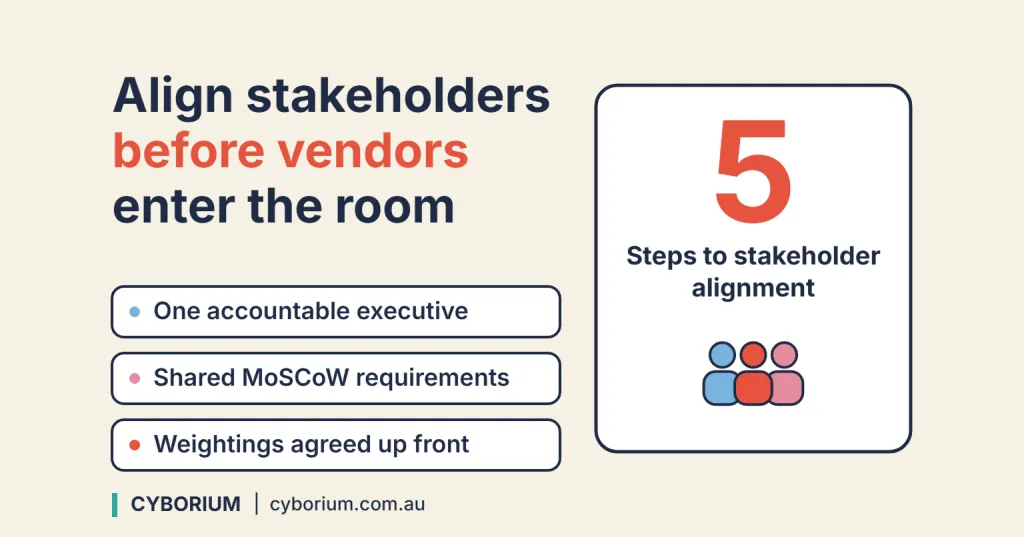
Agree the problem, decision rights and scoring before vendors arrive, and most procurement conflict disappears.
How to Build a Technology Procurement Business Case That Gets Board Approval
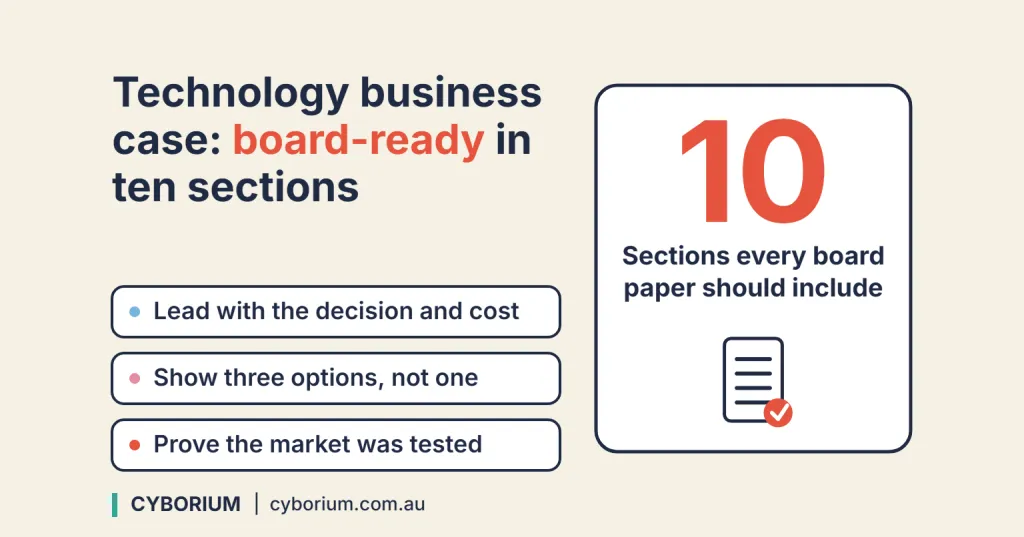
The structure, numbers and evidence a board needs before it approves an IT, AI or cybersecurity purchase.
AI contract clauses in Australia: eight terms to ask an AI supplier for
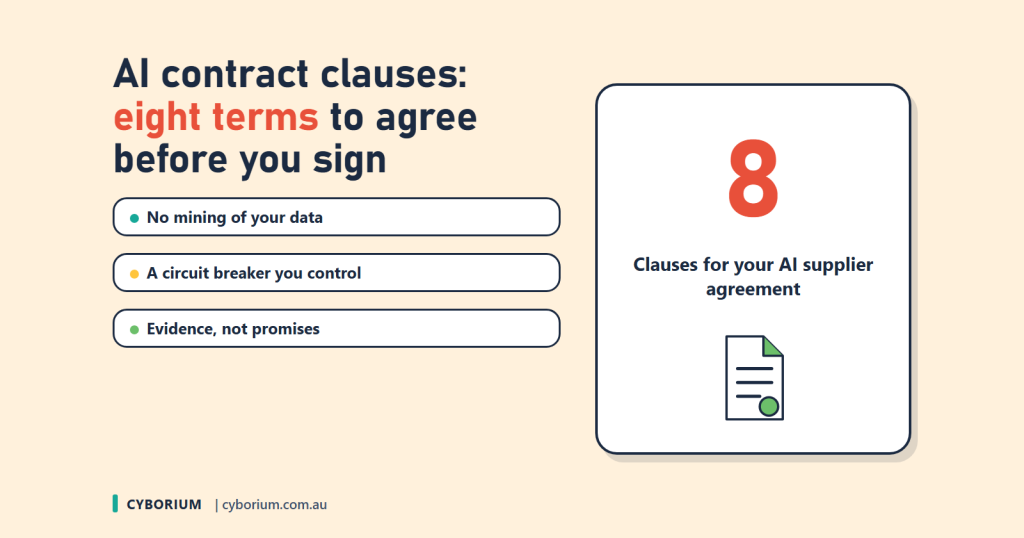
AI contract clauses for Australian organisations, from the Government’s AI contract template: what each does, what to ask for and what to push back on.
Can AI Kill Us? Five Predictions to 2030 and What They Mean for Procurement
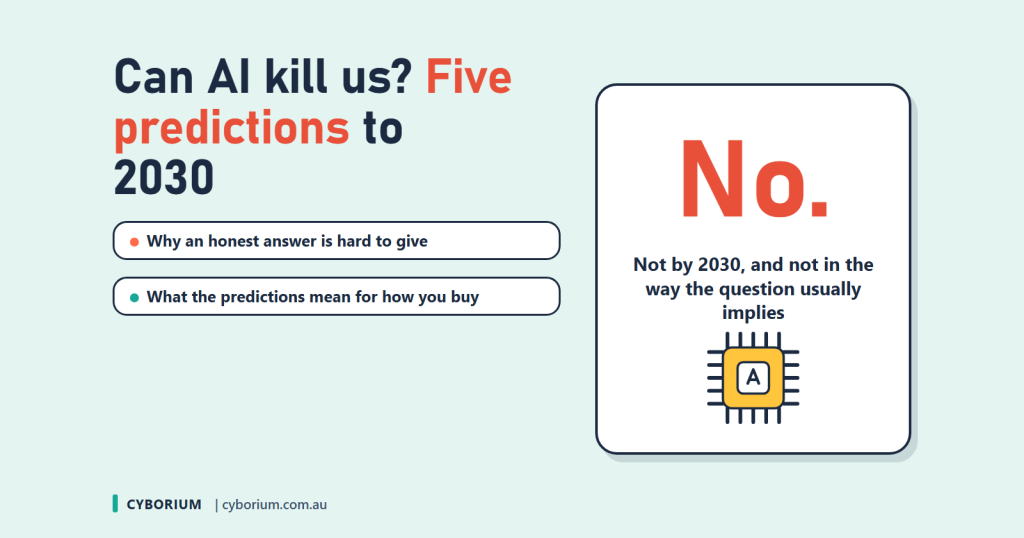
Not by 2030, and not the way the question implies. Five dated predictions on AI risk, each with its evidence and its falsifier, and what they change about how Australian organisations buy AI-enabled products.
OT and ICS security procurement in Australia: buying for environments that cannot be patched
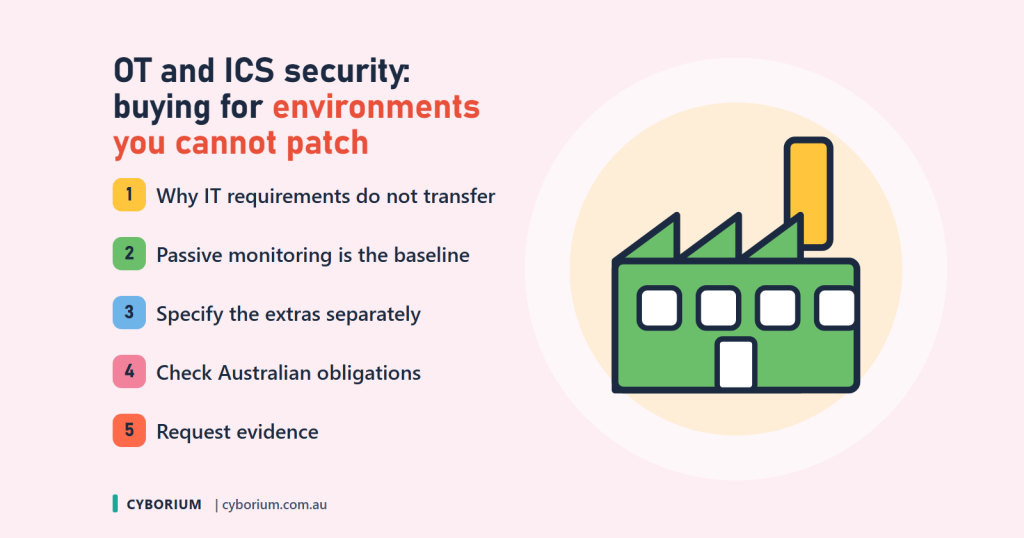
Operational technology security is bought under a constraint that does not apply anywhere else in the security estate: you usually cannot patch the thing you are protecting, you often cannot reboot it, and in many cases you cannot scan it without risking the process it controls. Requirements written from an IT security template will fail […]
Backup and recovery procurement in Australia: buying for the day you need it
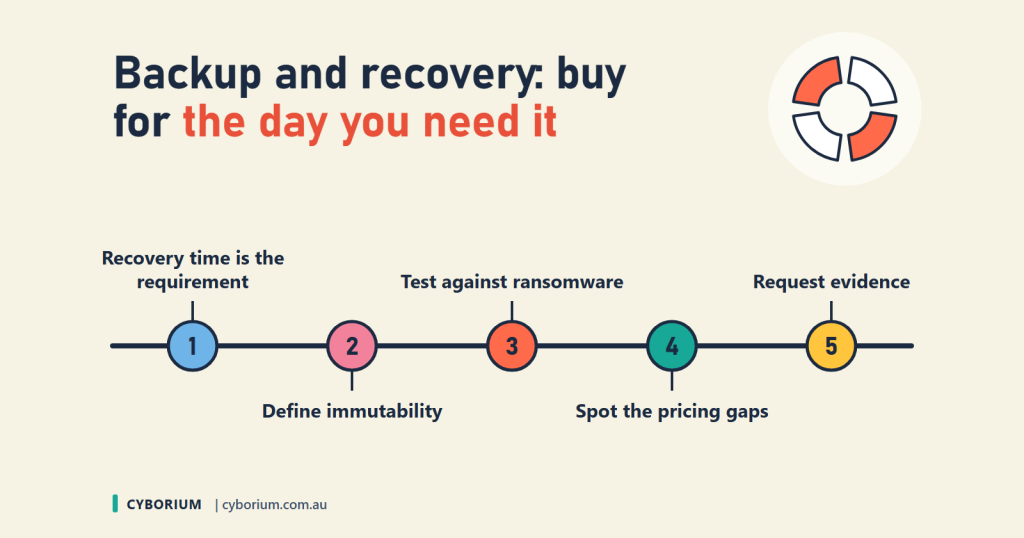
Backup is bought on capacity and judged on recovery. That gap is where most of the disappointment in this category lives. A platform can hold every byte an organisation has produced and still fail the only test that counts, which is bringing a named system back inside the time the business assumed it would take. […]
AI procurement guardrails in Australia: what to require when the law does not
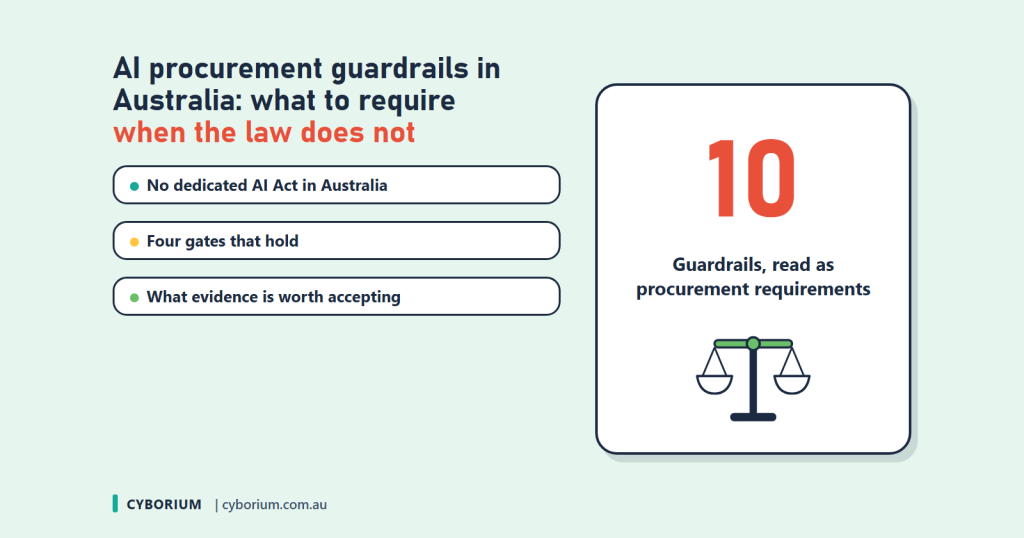
Australia decided not to regulate artificial intelligence with a dedicated Act. That decision is often read as a reduction in obligation. For an organisation buying an AI system, it is the opposite. When no regulator sets a control standard for the vendor, the only place those controls can exist is the contract you sign and […]
Automated Decision-Making Transparency: What APP 1.7 Means for Your Vendor Contracts
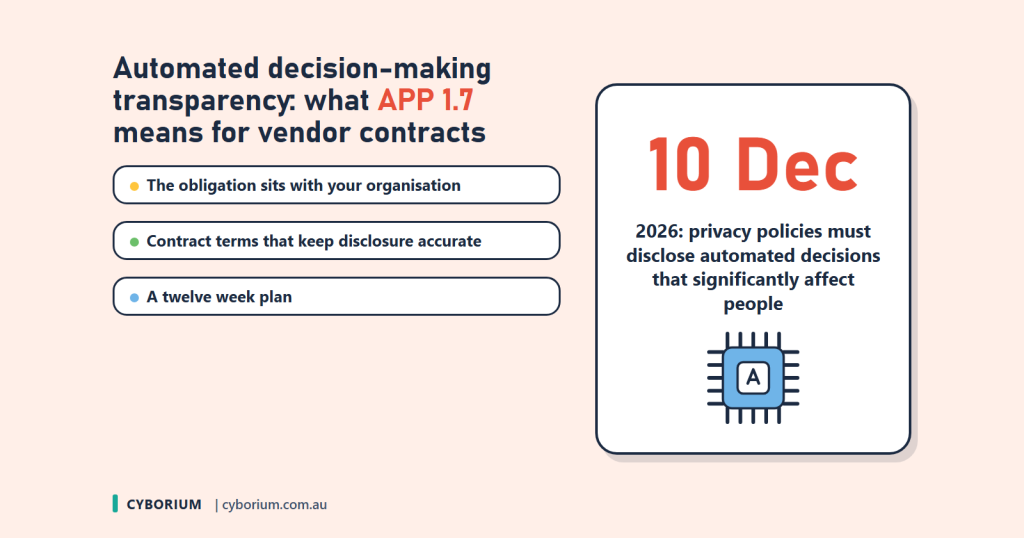
From 10 December 2026, Australian Privacy Principle 1.7 requires organisations to disclose how computer programs use personal information to make decisions that significantly affect people. The duty stays with the buyer, not the software vendor, which makes it a contract and tender problem.
Enhanced CIRMP Rules: What SOCI Supply Chain Obligations Mean for Vendor Procurement
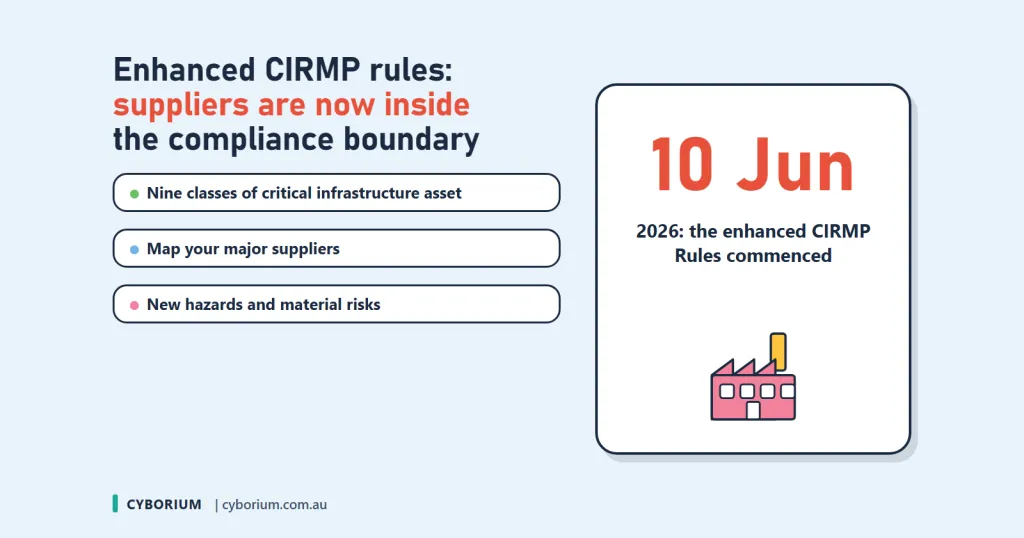
The enhanced CIRMP Rules commenced 10 June 2026. What Australian critical infrastructure entities must now assess about their major suppliers, and by when.
Procurement Governance for Enterprise Technology Buying in Australia
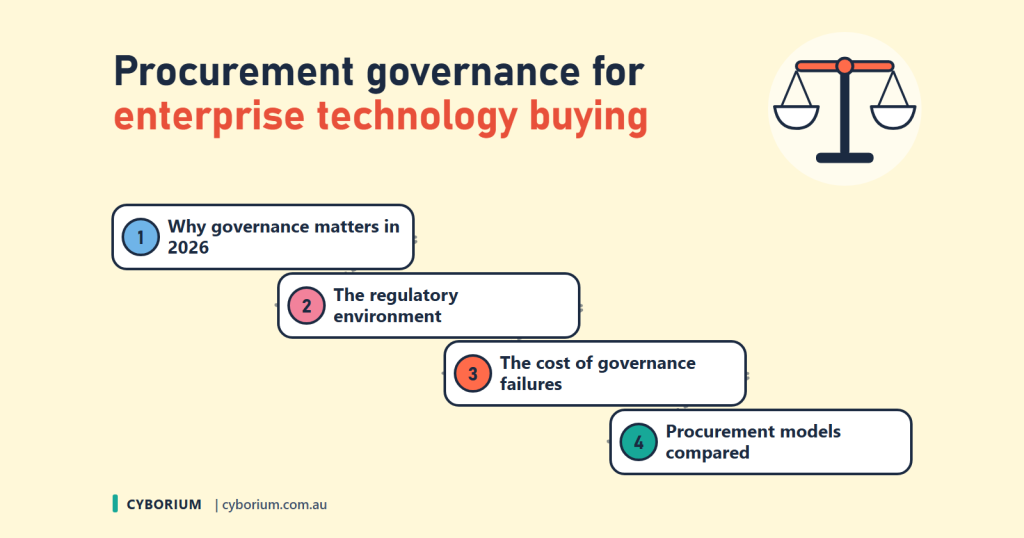
Procurement governance is the framework that protects enterprise buyers from poor decisions, audit risk, and vendor disputes. This guide explains what good governance looks like in Australian technology and cybersecurity procurement, and how to build it into every buying decision.